
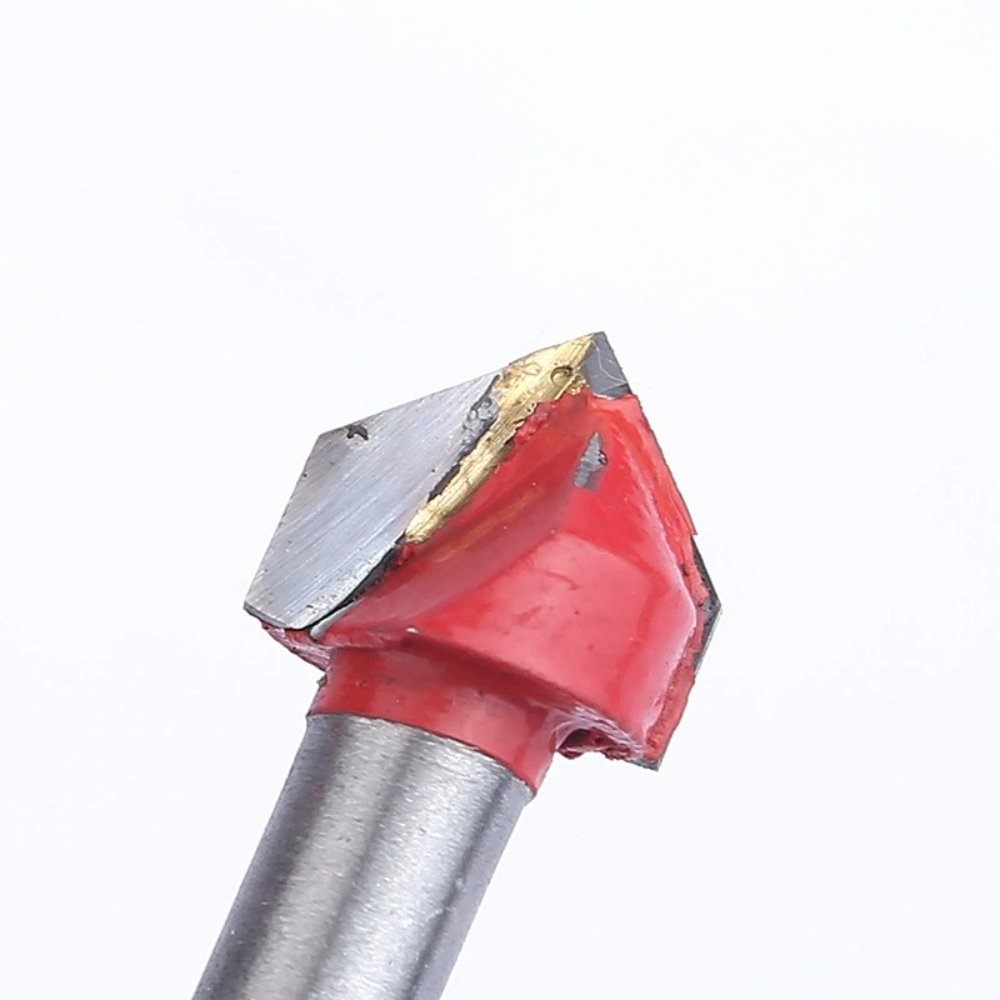
V-Groove Bit Samples: Link the Tool to Its Drawing
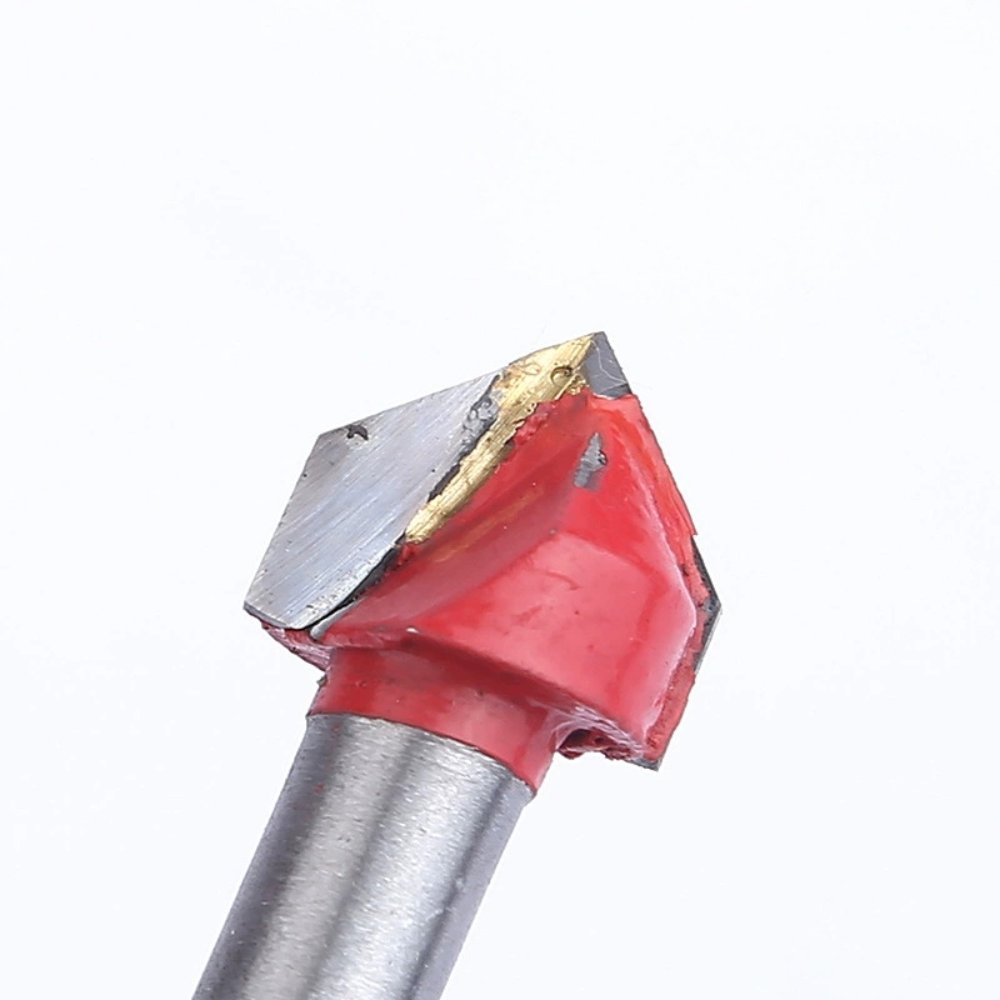
Link a received V-groove router bit sample to one supplier item code and drawing revision before reviewing it. Record the package identity, complete tool views and agreed measurement references. A visual sample check can confirm which item was reviewed, but it should not be described as a cutting-performance test or approval of unmeasured properties.
A loose router bit without an identity label can become difficult to trace once several samples are on the same desk. The next buyer may see a familiar red head and assume it is the previously discussed variant. This sample approval checklist for woodworking router bits focuses on preserving the link between the actual tool and its documented specification.
Log the sample before separating its packaging
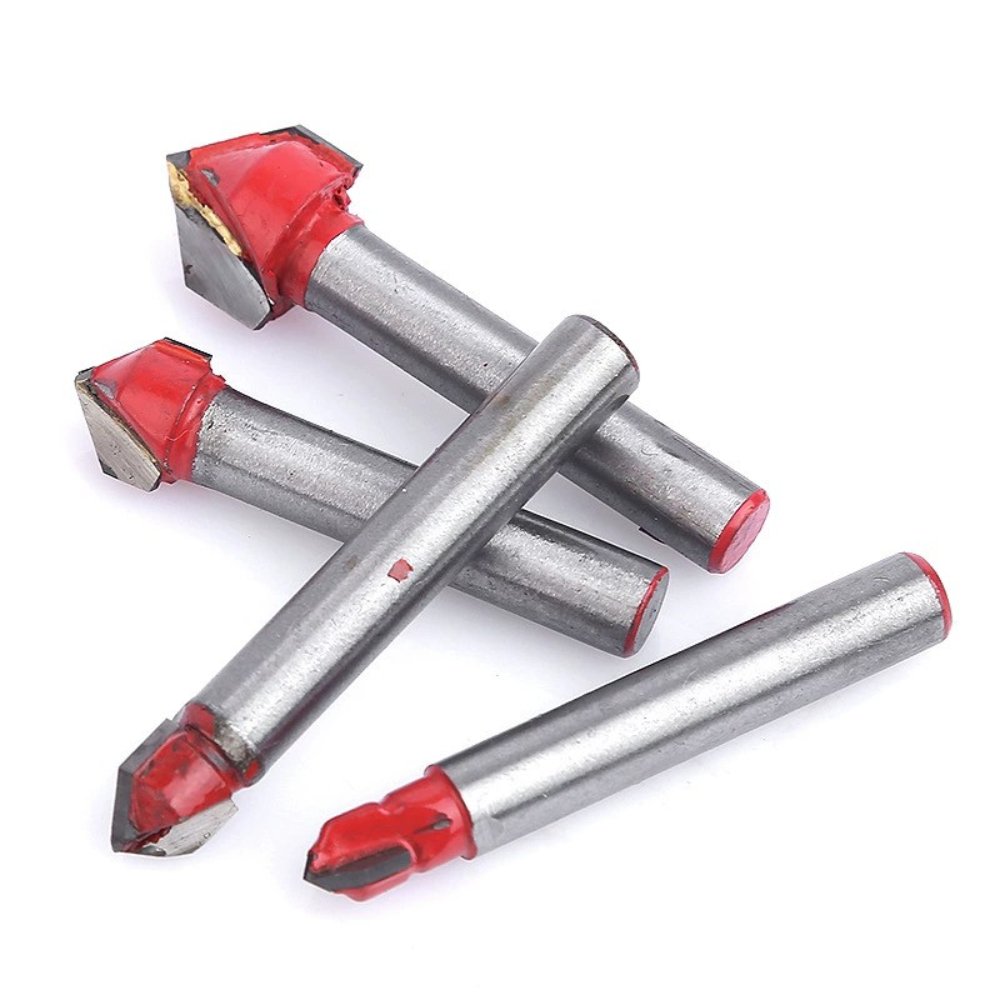
Start with the supplier reference for the V-groove router bit listing and the sample request it answers. Record the supplied item code and drawing revision when the sample arrives. If the shipment contains several variants, keep each tool associated with its packaging until the identity of every item has been captured.
Give the buyer’s sample record a unique code that can also appear on its storage position or accompanying sheet. Photograph the supplied package label and the corresponding tool together. This preserves the source of the identity rather than relying on a photograph of an unmarked tool taken after the original packaging has been discarded.
- Supplier item and sample request reference
- Buyer sample code linked to packaging
- Complete and close views with identified orientation
- Limited approval scope and unresolved questions
Record the complete tool and the relevant views
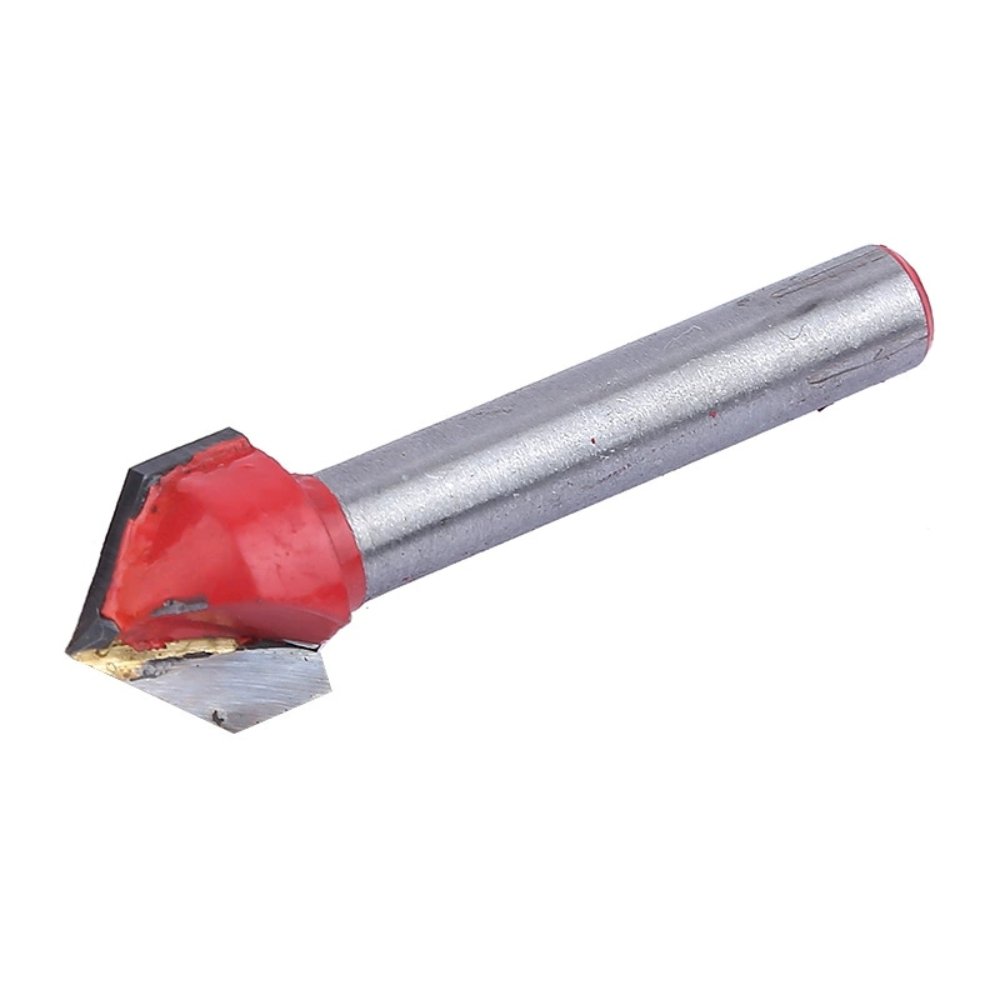
Capture an overall view showing the head and shank, then a closer view of the features being compared. Identify which sample each image shows. A cutting-head close-up and an overall picture serve different purposes; one helps locate a visible feature, while the other connects it to the complete supplied tool.
Use a consistent orientation when comparing the sample with the supplier’s drawing. Mark the area under discussion on the review sheet rather than describing it only as the left side or the top. Those terms can change when a photograph is rotated, while a labeled feature on the drawing remains a clearer reference.
| Evidence | Identity question | Decision boundary |
|---|---|---|
| Package and tool together | Which supplied item is this? | Label association recorded before separation |
| Drawing and selected views | Which feature is under review? | Actual drawing revision retained |
| Measurement or separate trial record | What was actually evaluated? | Visual identity is not cutting performance |
Compare only against agreed measurement references
Where dimensions need checking, use the points and method agreed with the supplier and the buyer’s review team. Record which feature was checked and which drawing value it relates to. The sample sheet should distinguish an observed measurement from an unanswered question instead of silently treating an approximate visual comparison as a dimensional approval.
If the drawing and supplied tool appear inconsistent, pause that item’s approval and ask the supplier to reconcile the identity. The difference may concern a drawing revision, a mislabeled sample or another issue that requires confirmation. Do not alter the recorded reference merely to make the received tool appear to match the request.
Keep appearance observations separate from trials
Record visible observations in neutral terms and attach a photograph where useful. Ask the supplier to explain any appearance feature that needs clarification. Do not infer material grade, edge life or a manufacturing defect from a general catalogue resemblance; the sample review needs a specific reference and an agreed basis for conclusions.
If a separate cutting trial is required, plan and document it through the responsible technical team with the supplier’s confirmed requirements. Keep that result distinct from the sample identity record. This article does not prescribe operating settings or claim that a visual inspection demonstrates machining performance, equipment suitability or a completed safety evaluation.
Issue a clear sample decision
State what the reviewer accepted: the identified configuration, selected dimensions actually checked, or a limited appearance reference. List unresolved points alongside the decision. An overall approved stamp without scope can be read as acceptance of properties the reviewer never evaluated, especially when purchasing and the technical team work from different documents.
Retain the physical sample and its record where they can be retrieved for the order or a reorder. If the supplier proposes a replacement, request its identity and the reason for the change. The purpose is a traceable sample decision, so later comparisons use the same tool reference rather than a memory of its color or shape.
Frequently Asked Questions
Why photograph the tool with its package label?
It preserves the supplied identity before samples are separated. A later photograph of an unmarked bit may not show which item code or drawing revision accompanied it.
Is a catalogue resemblance enough for sample approval?
No. Link the received sample to a specific item and drawing. Similar color or shape does not establish that it is the requested variant or that its dimensions have been checked.
Does visual inspection prove cutting performance?
No. Record visual identity separately from any technical trial. A trial, if required, needs its own documented conditions and responsible review rather than being implied by sample receipt.
What should a limited sample approval state?
Name the sample, drawing revision and features actually reviewed. Keep unanswered points visible so the supplier and buyer do not interpret an identity or appearance check as a broader technical acceptance.
Review Success Drill products and the woodworking tool overview for context. Send the sample code, drawing and comparison photographs through Success Drill contact. Further sourcing guidance is available in the tool blog.