
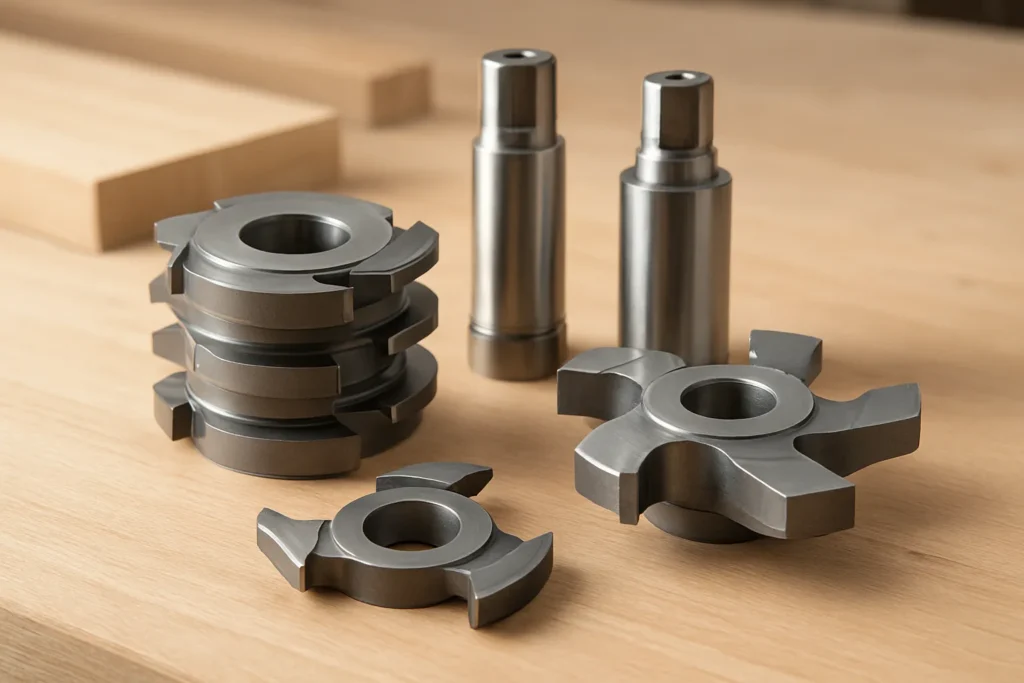
Maximizing Efficiency with Woodworking Milling Tools for Professionals
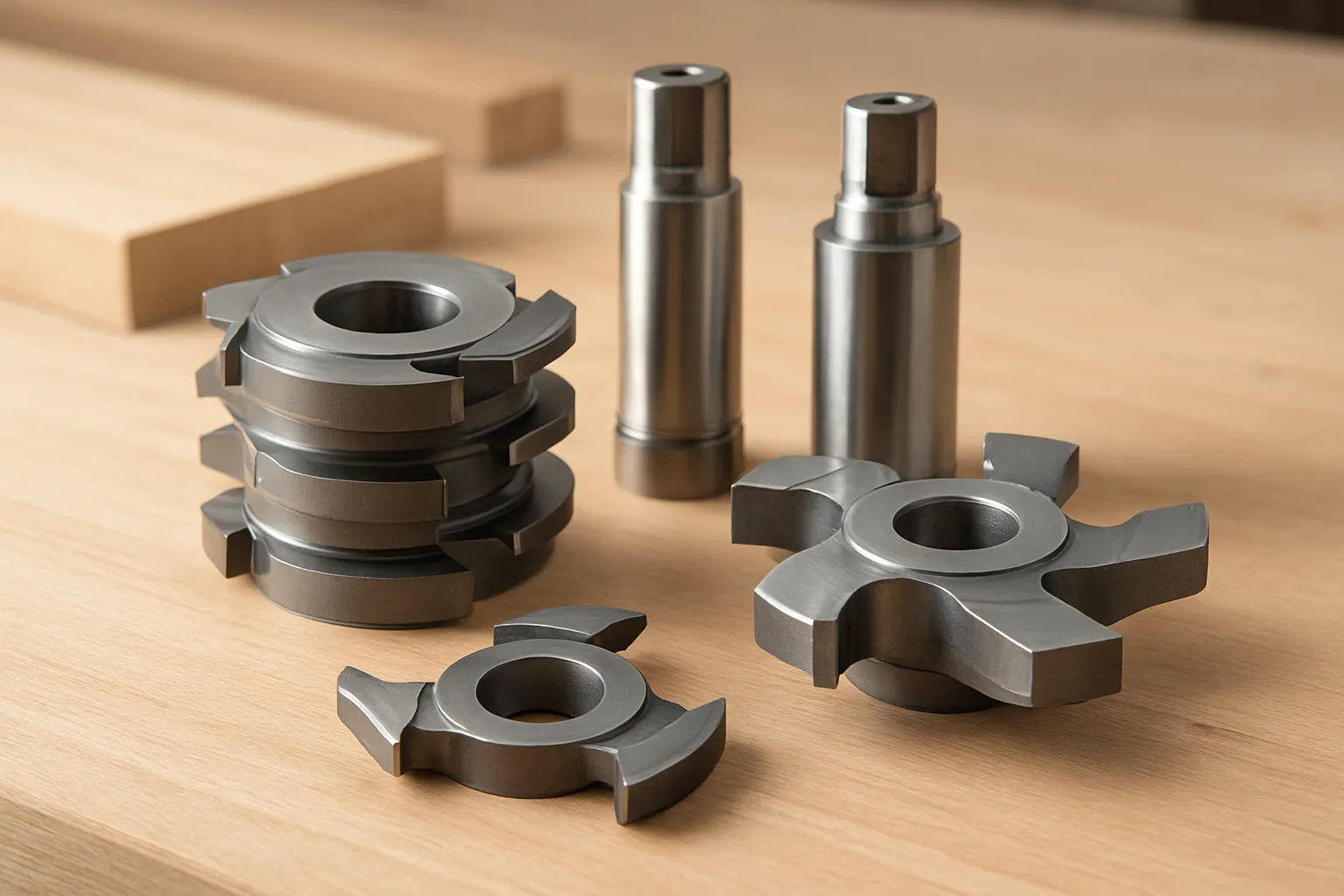
Woodworking milling tools are indispensable in the woodworking industry, crafted to shape and cut wood with remarkable precision. These specialized tools play a crucial role in achieving high-quality finishes and intricate designs across various wood projects. The significance of professional equipment in woodworking cannot be overstated; it not only enhances the final product’s quality but also boosts the efficiency of the entire manufacturing process. In my experience, investing in high-quality woodworking milling tools and professional drilling equipment can yield substantial improvements in productivity and profitability.
Specifications of Woodworking Milling Tools
When it comes to selecting woodworking milling tools, several specifications must be taken into account to ensure peak performance.
- Material Types and Durability: Woodworking milling tools are generally made from high-speed steel (HSS) or carbide. HSS tools are durable and suitable for general use, while carbide tools offer superior hardness and longevity, making them ideal for heavy-duty applications.
- Cutter Sizes and Shapes: These tools come in various sizes and shapes, allowing for versatility in woodworking projects. Common shapes include flat, round, and corner radius cutters, each designed for specific tasks such as edge profiling or creating grooves.
- Cutting Edge Geometry: The geometry of the cutting edge significantly impacts the milling tool’s performance. Factors like rake angle, relief angle, and the number of flutes can influence the tool’s efficiency, chip removal capability, and finish quality.
Use Cases for Professional Woodworking Milling Tools
Professional woodworking milling tools have a wide array of applications that can immensely benefit businesses in the woodworking sector.
- Applications in Furniture Manufacturing: In furniture manufacturing, these tools are employed to create joints, profiles, and decorative edges, ensuring that each piece meets stringent craftsmanship standards.
- Benefits in Custom Woodworking Projects: For custom woodworking projects, the precision and versatility of milling tools empower artisans to execute complex designs tailored to specific client needs, thereby enhancing customer satisfaction.
- Enhancements in Production Efficiency: By utilizing professional milling tools, businesses can streamline their production processes. The ability to quickly and accurately shape wood minimizes waste and reduces the time required to complete projects.
Comparing Woodworking Milling Tools
When choosing woodworking milling tools, it’s vital to compare different types to find the best fit for your business needs.
- High-Speed Steel vs. Carbide Tools: While HSS tools are more affordable and suitable for lighter tasks, carbide tools, though pricier, offer superior performance and longevity, particularly for high-volume production.
- Single vs. Multi-Flute Tools: Single-flute tools excel with softer materials and provide faster cutting speeds, while multi-flute tools are better suited for harder woods, yielding smoother finishes and improved chip removal.
- Cost vs. Performance Analysis: Businesses must weigh initial investments against long-term benefits. While higher-quality tools may entail a higher upfront cost, their durability and efficiency can lead to lower overall production costs.
Sourcing Professional Woodworking Milling Tools
Finding reliable suppliers for woodworking milling tools is crucial for maintaining quality and efficiency.
- Identifying Reputable Suppliers: Seek suppliers with a proven track record in providing quality woodworking tools. Reviews, testimonials, and industry reputation can be instrumental in making informed decisions.
- Evaluating Bulk Purchase Options: For businesses needing a consistent supply of milling tools, bulk purchasing can offer significant savings. Evaluate suppliers that provide discounts for bulk orders while maintaining quality.
- Understanding Shipping and Handling: Ensure your chosen supplier has efficient shipping options. Timely delivery of drilling supplies is essential to prevent production delays.
Implementing Woodworking Milling Tools in Your Business
Once you’ve sourced your woodworking milling tools, the next step is effective implementation.
- Training Staff on Equipment Use: Proper training is vital for maximizing the benefits of woodworking milling tools. Ensure that staff members are well-versed in safe and effective usage to avoid accidents and maintain quality.
- Maintenance and Care Best Practices: Regular maintenance, such as sharpening and cleaning, can extend the life of your milling tools. Establish a routine to inspect and care for your tools.
- Integrating with Existing Workflows: Consider how new milling tools can fit into your current manufacturing processes. Streamlining workflows can lead to improved efficiency and output.
Frequently Asked Questions
- What are the key features to look for? Durability, cutter geometry, and compatibility with existing equipment are critical factors when selecting woodworking milling tools.
- How do I choose the right tool for my needs? Assess the type of material you will be working with, the complexity of your projects, and your production volume.
- What are the advantages of bulk purchasing? Bulk purchasing often results in cost savings, ensures a consistent supply, and can simplify inventory management.
Conclusion
Maximizing efficiency in woodworking requires the right tools, and professional woodworking milling tools are at the forefront of this effort. By understanding their specifications, applications, and the importance of sourcing quality equipment, businesses can enhance their production capabilities and achieve superior results. Investing in the right milling tools not only improves craftsmanship but also drives operational efficiency, ultimately leading to greater success in the competitive woodworking industry. For more in-depth information, you can refer to this industry reference for woodworking milling tools.