

Mixed Router Bit Orders: Keep Variants Identifiable

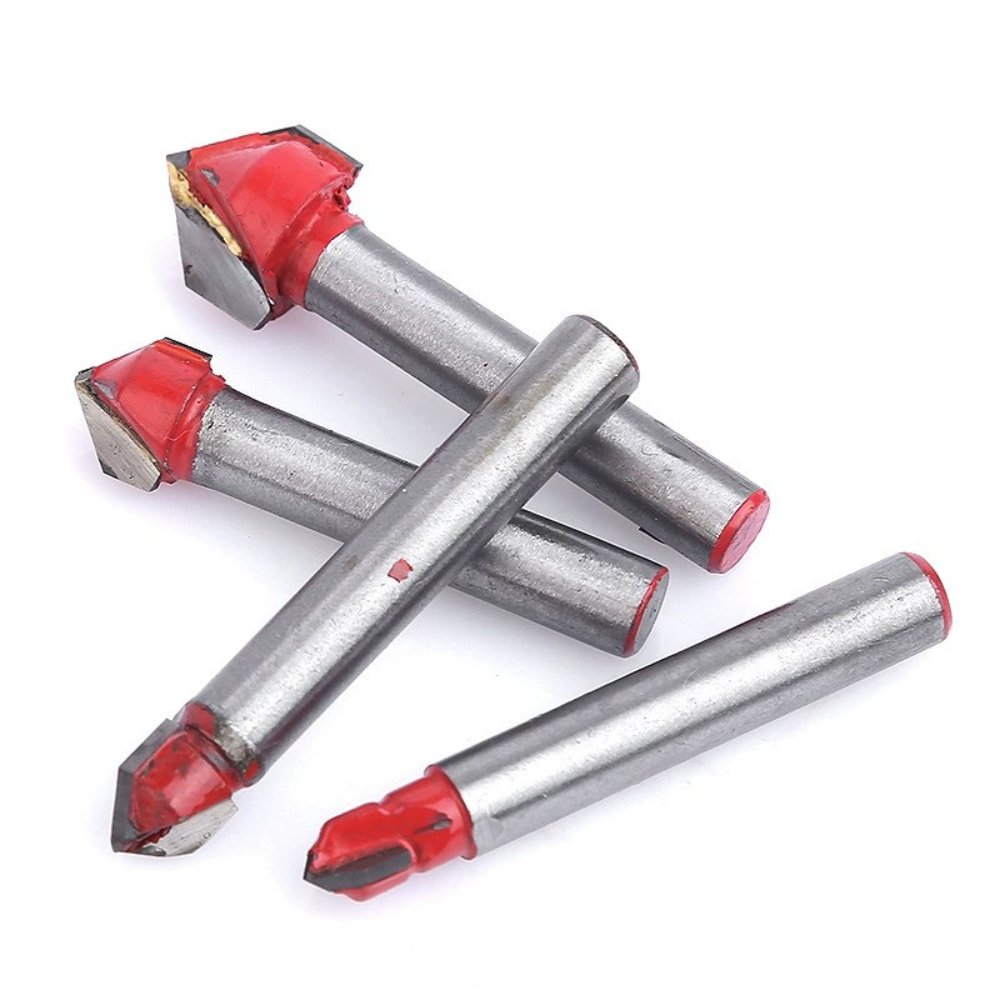
A mixed router bit order needs one confirmed item code per variant, quantities at each packaging level and a packing-list map that identifies where each variant is packed. Agree individual identification and the supplied protective arrangement with the supplier. A group product photograph does not establish a complete set, equal quantities or interchangeable variants.
Several router bit variants can appear similar when only their shanks are visible in a carton. A distributor then needs a reliable way to receive, store and resell the ordered mix. This guide addresses packing and labeling requirements for woodworking router bits after the individual variants have been specified, with emphasis on keeping the assortment identifiable.
Define the mix from confirmed item codes
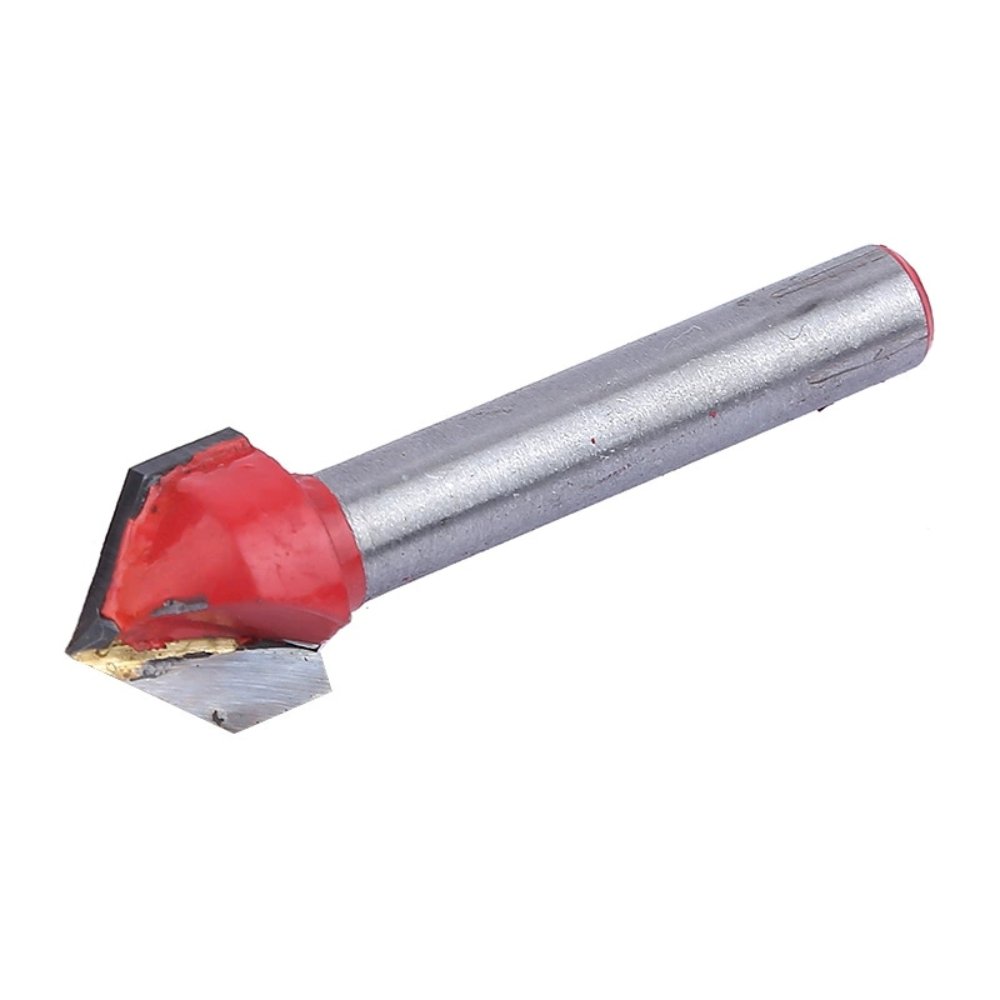
Success Drill’s V-groove router bit listing shows product examples and several model references. Ask the supplier to confirm the exact variants offered, then give each one a separate line in the order. Do not treat the group gallery photograph as proof that the pictured tools are supplied together as a standard set.
State the quantity required for each confirmed item code. If the buyer wants a retail assortment, identify its contents explicitly and give that assortment its own code. A mixed shipping carton and a complete selling set are different units; the packing instructions should say which one is being assembled.
- Confirmed variant codes and quantities
- Shipping mix versus selling assortment
- Individual and inner-pack identification
- Carton-to-packing-list map
Separate individual, inner-pack and carton identity
Decide where each variant must remain identifiable: individual pack, inner pack and outer carton. Ask the supplier to describe the proposed arrangement before artwork is approved. A carton marked only router bits does not explain which variant a warehouse worker will find after opening one inner package.
Use the same item codes on the order and packing list, and keep quantities tied to their named units. If an inner pack contains one variant, state that clearly. If it contains an approved assortment, reference the assortment contents sheet. This prevents a number described as pieces on one document from meaning packs on another.
| Packing choice | What to define | Receiving consequence |
|---|---|---|
| Single-variant inner pack | Item code and tools per inner pack | Variant can be counted by an identified unit |
| Mixed selling assortment | Contents sheet and assortment code | Complete assortment is checked as one selling unit |
| Mixed shipping carton | Inner-pack map and quantities by variant | Packing list explains the actual carton mix |
Confirm the supplied protective arrangement
Ask how the supplier proposes to separate and pack the tools, including any individual covering, sleeve or container that is offered. Record which components are included. The buyer should review the actual proposed pack rather than inferring protection from a photograph of bare tools arranged for product display.
If the buyer has requirements for transit handling or presentation, give those requirements to the supplier for a specific proposal. Keep the packaging decision distinct from any claim about tested transport performance. A chosen sleeve or container is a confirmed component only when included in the offer; its presence alone does not establish an unverified protection rating.
Build a packing-list map for mixed cartons
Request a carton or inner-pack reference that can be matched to the packing list. The list should identify the confirmed variants and their quantities within that reference. If the mix changes between cartons, document the difference instead of assuming that every carton contains the same ratio of items.
For distributor orders, decide whether variants should be grouped or supplied as identified selling assortments. These choices lead to different receiving and picking tasks. Agree the arrangement with the supplier and preserve the map with the order, so the warehouse does not need to sort an unexplained loose mixture before it can identify the shipment.
Approve the pack with its labels in place
Review a representative packed sample or clearly documented packing reference for the agreed mix. Check that the labels identify the intended unit and correspond to the current item codes. If a barcode is required, verify which unit it represents and keep the approved artwork revision linked to the packing specification.
When receiving the order, reconcile the carton reference, inner-pack identity and variant quantities in that sequence. Keep any observed discrepancy associated with the relevant pack reference. For a reorder, update the packing map when quantities or the selling assortment change, even if all individual tool variants remain the same.
Frequently Asked Questions
Does the group image show a standard supplied set?
Not necessarily. Ask the supplier to confirm the offered configuration. Define the requested assortment using confirmed item codes and quantities rather than assuming the photograph establishes a complete retail set.
Should a mixed carton have only one general label?
Use the identification detail needed for your receiving process. The carton reference should lead to a packing-list record that identifies the variants and quantities actually inside it.
Are sleeves or containers automatically included?
No. Ask the supplier to describe the proposed individual and group packing, and confirm which protective components are included in the quotation and sample reference.
When should the packing specification be revised?
Revise it when the variant mix, quantity per pack, selling unit, label or carton arrangement changes. Keep the updated map linked to the order so receiving staff use the current instructions.
Compare the Success Drill range and woodworking milling article for wider purchasing context. Send the variant list and proposed packing map through Success Drill contact. Additional topics are in the tool blog.