
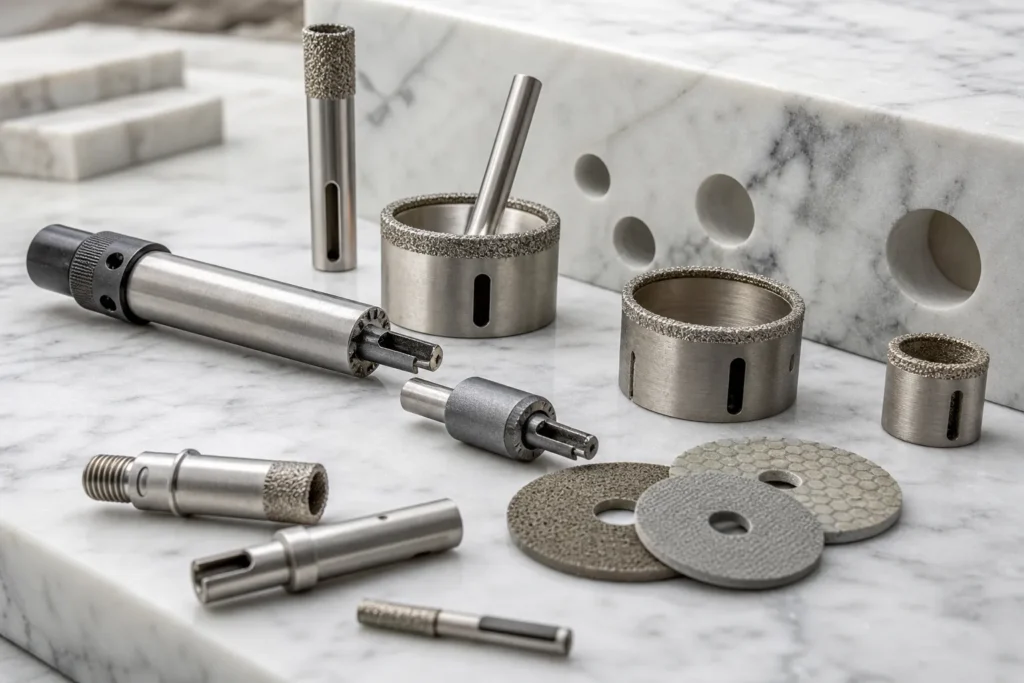
A Comprehensive Guide to Marble Hole Cutting Tools for Stone Fabricators in 2023
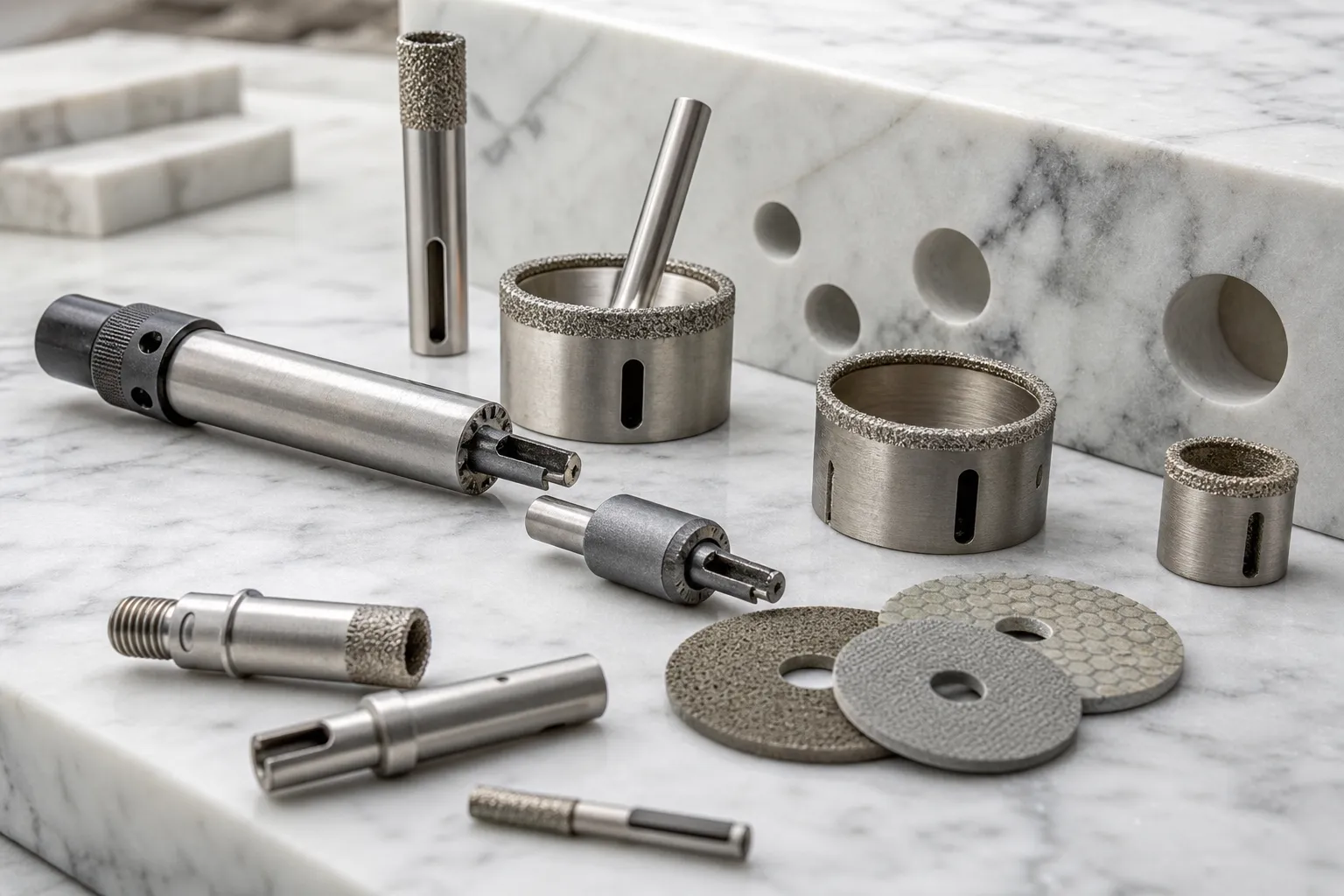
Marble hole cutting tools play a crucial role for stone fabricators who prioritize precision and quality. These tools are essential for creating clean, accurate holes in marble surfaces, which is vital for both installations and decorative applications. As the demand for marble in residential and commercial projects continues to grow, it’s increasingly important to understand the range of marble hole cutting tools available.
In this comprehensive guide, we will delve into the various types of marble hole cutters, their specifications, practical use cases, and best practices for sourcing and utilizing these tools effectively.
Types of Marble Hole Cutters
When considering marble hole cutting tools, there are several options tailored to different applications:
- Diamond Core Drills: These tools are among the most favored for cutting marble due to their efficiency and durability. The diamond-tipped bits ensure a clean cut, making them ideal for drilling larger holes, which is particularly beneficial for plumbing and electrical installations.
- Carbide Hole Saws: Another excellent choice, carbide hole saws are more affordable than diamond core drills while still delivering satisfactory results for smaller holes. They are typically used in lighter applications and are appreciated for their cost-effectiveness.
- Specialty Cutters: For unique projects, specialty cutters such as wet saws or angle grinders fitted with diamond blades are invaluable. These tools facilitate intricate designs and custom shapes, perfect for artistic stonework and bespoke installations.
Specifications to Consider
When selecting marble hole cutting tools, several specifications are crucial:
- Diameter and Depth Options: Marble hole cutters come in various diameters, typically ranging from 1 inch to over 6 inches. The depth of the cut is also significant, especially for applications requiring deeper holes.
- Material Compatibility: It’s important to ensure that the chosen tool is compatible with the specific type of marble. Different marbles vary in hardness and density, which can impact the tool’s performance.
- RPM and Power Requirements: The revolutions per minute (RPM) and power needs are critical for optimal performance. Higher RPM can lead to smoother cuts, but it’s essential to match the tool with the right power source to prevent overheating.
Use Cases for Marble Hole Cutting Tools
Marble hole cutting tools are applied in various scenarios:
- Residential Projects: Homeowners often need marble hole cutters for kitchen countertops, bathroom vanities, and flooring installations. These tools allow for precise openings for sinks, faucets, and other fixtures.
- Commercial Applications: In commercial settings, marble is frequently utilized in lobbies, offices, and retail spaces. Efficient hole cutting tools are essential for accommodating electrical outlets and plumbing systems.
- Artistic Stonework: For artists and designers, specialty marble hole cutters enable the creation of intricate designs and patterns, enhancing the aesthetic appeal of marble installations.
Comparing Marble Hole Cutting Tools
When evaluating different marble hole cutting tools, consider the following factors:
- Performance and Efficiency: Assess the cutting speed and the quality of the finish. Tools that produce clean edges and require less time to complete tasks are generally preferred.
- Cost Analysis: While initial costs matter, consider the long-term value of the tools. Investing in higher-quality tools can lead to reduced replacement frequency and lower overall costs.
- Longevity and Maintenance: Tools requiring minimal maintenance and boasting a longer lifespan can significantly reduce operational downtime. Look for products with warranties or proven durability.
Sourcing Marble Hole Cutting Tools
Finding reliable sources for marble hole cutting tools is crucial for any stone fabricator:
- Top Manufacturers: Research reputable manufacturers known for producing high-quality marble cutting tools. Brands with positive reviews and industry recognition are typically more reliable.
- Online vs. Local Suppliers: While online suppliers may offer a broader selection, local suppliers can provide immediate support and advice. A combination of both can yield the best results.
- Evaluating Supplier Reliability: Check supplier reviews, ask for recommendations, and assess their customer service. A reliable supplier should guide tool selection and after-sales support.
Implementation Best Practices
To maximize the effectiveness of marble hole cutting tools, follow these best practices:
- Safety Precautions: Always wear personal protective equipment (PPE), including goggles, gloves, and dust masks. Ensure workspaces are well-ventilated and free from hazards.
- Tool Maintenance Tips: Regularly inspect and clean tools to ensure optimal performance. Promptly replace worn-out parts to maintain cutting efficiency.
- Training for Operators: Proper training for all operators is essential. Understanding correct handling and operation can prevent accidents and improve overall productivity.
Frequently Asked Questions
How to Choose the Right Tool? Assess your specific project needs, including hole sizes and marble types. Consider the tool’s specifications and your budget.
What is the Average Lifespan? The lifespan of marble hole cutting tools varies based on usage and maintenance but typically ranges from several months to a few years.
Can These Tools Be Used for Other Materials? Many marble hole cutting tools can also work on other materials like granite and concrete, but it’s essential to verify compatibility before use.
In conclusion, understanding marble hole cutting tools is vital for stone fabricators seeking precision and efficiency. By selecting the right tools, adhering to best practices, and sourcing from reliable suppliers, fabricators can enhance productivity and deliver high-quality results.