
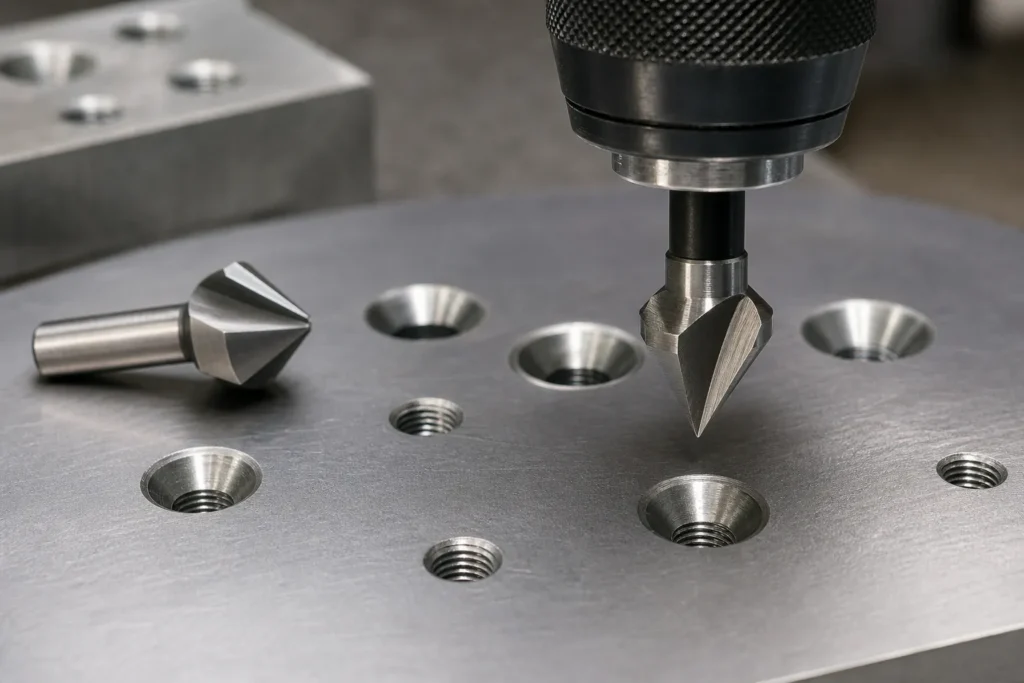
Understanding the Importance of Countersink Drill Bits in Metalworking
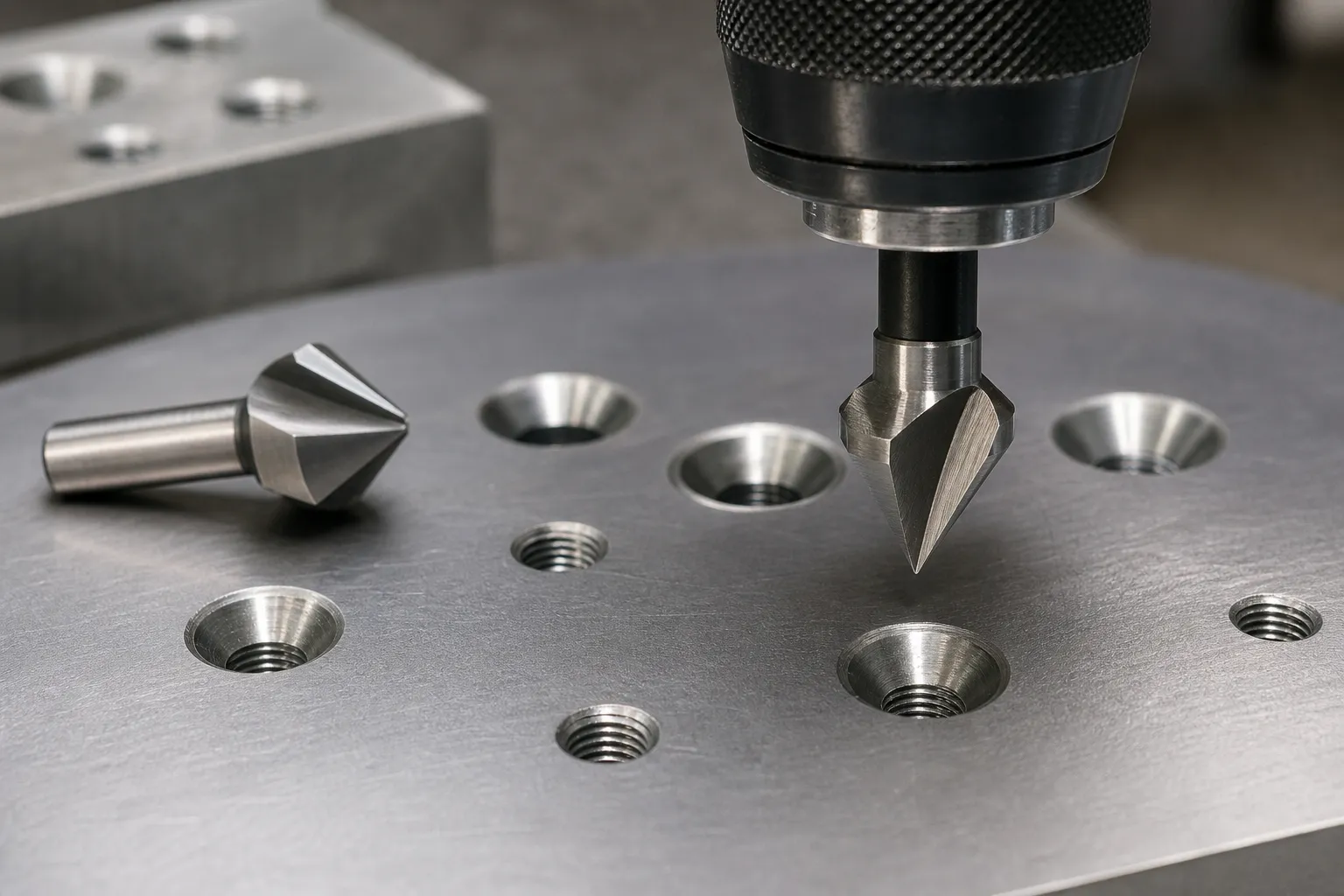
Countersink drill bits are specialized tools designed to create conical holes, allowing the heads of screws or bolts to sit flush with or below the surface of the material being drilled. This functionality is crucial in metalworking, where both precision and aesthetics are essential. By enabling the proper seating of fasteners, countersink drill bits enhance not only the visual appeal of the finished product but also the overall strength and integrity of the assembly.
In my experience, the significance of countersink drill bits in metalworking cannot be overstated. They play a vital role in ensuring fasteners are securely anchored, reducing the risk of loosening over time and improving the quality of the final piece. As industries evolve and demand higher standards of craftsmanship, understanding how to effectively use countersink drill bits becomes increasingly important for manufacturers and metalworkers alike.
Specifications of Countersink Drill Bits
When selecting a countersink drill bit, several specifications should be considered to ensure optimal performance.
- Material Types: Countersink drill bits are commonly made from high-speed steel (HSS), carbide, or cobalt. HSS is suitable for general-purpose drilling, while carbide bits offer superior hardness and wear resistance, making them ideal for tougher materials. Cobalt bits provide enhanced durability and heat resistance, especially beneficial in high-speed applications.
- Sizes and Angles: Countersink bits come in various sizes and angles, typically ranging from 60 to 90 degrees. The choice of size and angle often depends on the type of screw or bolt being used and the thickness of the material. It’s crucial to match the countersink angle to the fastener for the best results.
- Coatings and Durability: Many countersink drill bits are coated with materials such as titanium or black oxide to enhance their durability and reduce friction during drilling. These coatings also provide resistance to corrosion, extending the lifespan of the tool.
Use Cases in Metalworking
Countersink drill bits have extensive applications in metalworking, significantly improving various manufacturing and assembly processes.
- Applications in Manufacturing: In manufacturing settings, countersink drill bits prepare holes for screws and bolts in metal parts, ensuring that fasteners can be installed securely and flush with the surface. This is particularly important in industries like automotive and aerospace, where precision is critical.
- Benefits in Assembly Processes: During assembly, countersink drill bits facilitate easier and more efficient fastening. By allowing screws to sit flush, they minimize the risk of snagging and provide a smoother surface, essential for both aesthetic and functional reasons.
- Role in Finishing Work: In finishing applications, countersink drill bits help create a polished look by ensuring that fasteners do not protrude from the surface. This aspect is particularly important in consumer products, where appearance can significantly influence customer satisfaction.
Comparison with Other Drill Bits
Understanding how countersink drill bits compare to other types of drill bits can aid in making informed purchasing decisions.
- Countersink vs. Standard Drill Bits: While standard drill bits create round holes, countersink drill bits create conical holes that allow for the proper seating of fasteners. This distinction is essential for applications where flush mounting is required.
- Advantages Over Tapered Drill Bits: Countersink drill bits offer advantages over tapered bits, which may not provide the same level of precision in creating a seat for screws. Countersink bits are specifically designed for this purpose, ensuring a better fit and finish.
- Cost vs. Performance Analysis: Although countersink drill bits may be pricier than standard drill bits, their ability to enhance the quality of the finished product often justifies the cost. Investing in high-quality countersink bits can lead to reduced rework and improved operational efficiency.
Sourcing Countersink Drill Bits
When sourcing countersink drill bits, consider various factors to ensure you select the best tools for your needs.
- Key Suppliers in the Industry: Several reputable suppliers specialize in industrial drill tools, including countersink drill bits. Companies like MSC Industrial Supply, Grainger, and McMaster-Carr offer a wide range of options suitable for different applications. For a reliable source of drill bits, you can visit Success Drill.
- Factors to Consider When Purchasing: When purchasing countersink drill bits, take into account the material, size, angle, and coating. Additionally, assess the supplier’s reputation and customer service, as these can greatly influence your overall experience.
- Bulk Buying vs. Individual Purchases: For businesses with high-volume needs, bulk buying can lead to significant cost savings. However, for smaller operations or one-time projects, purchasing individual bits may be more practical.
Implementation Best Practices
To maximize the effectiveness of countersink drill bits, implement the following best practices:
- Proper Usage Techniques: Always use the correct speed and feed rate when drilling to prevent damage to the bit and ensure a clean cut. Moreover, ensure that the workpiece is securely clamped to avoid movement during drilling.
- Maintenance and Care: Regularly inspect and clean your countersink drill bits to maintain their performance. Sharpening dull bits can also extend their lifespan and improve drilling efficiency.
- Safety Considerations: Always wear appropriate personal protective equipment (PPE) when using drill tools. Ensure that the work area is clear of hazards and that all safety protocols are followed.
Frequently Asked Questions
- Common Misconceptions: One common misconception is that all drill bits can perform the same tasks. However, countersink drill bits are specifically designed for creating conical holes, making them essential for certain applications.
- Troubleshooting Issues: If you encounter issues such as chipping or excessive wear, consider adjusting your drilling speed or checking the alignment of your drill.
- Recommendations for Beginners: For those new to metalworking, starting with a basic set of countersink drill bits in various sizes and angles can be beneficial. As you gain experience, you can expand your toolkit to include specialized bits.
Conclusion
Countersink drill bits are indispensable tools in the metalworking industry, providing precision and functionality that are crucial for high-quality manufacturing and assembly processes. By understanding their specifications, applications, and maintenance requirements, businesses can enhance their operational efficiency and product quality. I believe that investing in the right countersink drill bits not only improves the aesthetic appeal of finished products but also contributes to their overall durability and performance.